Most homeowners understand that regular filter changes and seasonal maintenance help keep an HVAC system running efficiently, but there are many lesser-known factors that quietly reduce its lifespan long before a complete breakdown occurs. One of the most overlooked issues is improper system sizing. An HVAC unit that is too large will cycle on and off too frequently, causing unnecessary wear on compressors, motors, and electrical components. Conversely, an undersized system struggles to maintain comfortable temperatures, forcing it to operate continuously and accelerating mechanical fatigue. Another hidden contributor is poor airflow caused by blocked vents, furniture placement, dirty evaporator coils, or undersized ductwork. Restricted airflow forces the system to work harder, increasing operating temperatures and placing additional strain on internal components. Even humidity levels inside the home play a significant role. Excess moisture makes cooling systems run longer than necessary, while overly dry conditions can affect building materials and indoor comfort, indirectly causing occupants to overuse heating or cooling equipment. In many homes, neglected insulation around attics, crawl spaces, and ductwork also creates excessive workload because conditioned air escapes before reaching occupied rooms.
Environmental and Operational Factors
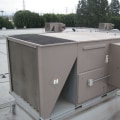
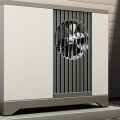
Outdoor conditions can have an equally important impact on equipment longevity. Condenser units surrounded by leaves, grass clippings, shrubs, or accumulated dirt experience restricted airflow, preventing efficient heat transfer. This causes compressors to operate under greater stress, one of the leading reasons expensive repairs become necessary. Electrical fluctuations are another rarely discussed issue. Frequent voltage spikes or inconsistent power supply gradually damage sensitive electronic controls, capacitors, and circuit boards even when no immediate failure is noticeable. Thermostat placement also matters more than many realize. A thermostat located near windows, kitchens, or direct sunlight can produce inaccurate temperature readings, causing unnecessary cycling that shortens equipment life over time. In addition, homeowners often close multiple supply vents believing it saves energy, but this actually increases static pressure within the duct system, forcing blowers to work harder and reducing overall efficiency. Professional inspections can identify many of these hidden concerns before they evolve into major repairs. Resources such as https://www.google.com/maps/place/Prestige+Heating,+Air+Conditioning+&+Construction/@41.4313642,-74.1284749,879m/data=!3m2!1e3!4b1!4m6!3m5!1s0x89dd2adc2a060581:0xb106443f9c17eef0!8m2!3d41.4313602!4d-74.1259!16s%2Fg%2F11gfng2vdh!5m1!1e1?entry=ttu&g_ep=EgoyMDI1MTEwNC4xIKXMDSoASAFQAw%3D%3D can help homeowners locate qualified professionals who understand how to evaluate both equipment and the surrounding conditions that affect long-term performance.
Long-Term Habits That Make the Difference
Everyday habits also influence how long an HVAC system remains dependable. Frequently adjusting thermostat settings by several degrees encourages repeated cycling, while ignoring unusual noises, odors, or reduced airflow allows minor problems to develop into costly failures. Delaying maintenance because the system appears to function normally often means dirt continues accumulating on coils, drain lines become partially clogged, and refrigerant issues remain undetected. Over time, these seemingly insignificant problems compound, reducing efficiency while increasing stress on every moving component. Scheduling preventive inspections, maintaining proper airflow, protecting outdoor units from debris, and ensuring the home itself is energy efficient all contribute to extending HVAC lifespan. Rather than focusing solely on repairs after problems appear, homeowners who address these rarely mentioned factors often enjoy more reliable comfort, lower operating costs, fewer emergency service calls, and significantly longer equipment life, making proactive care one of the smartest long-term investments for any heating and cooling system.