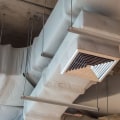
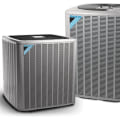
When planning concrete contractor projects, many homeowners focus on structural improvements while overlooking how these activities can impact HVAC systems. Whether the project involves foundations, patios, or driveway resurfacing, concrete work can generate dust, debris, and vibrations that may affect indoor air quality and system performance. HVAC systems circulate air throughout the home, meaning any airborne particles created during construction can easily enter ductwork and spread to other areas. Understanding this connection is essential for protecting your system and maintaining a comfortable indoor environment throughout the project.
Protecting Your HVAC System from Dust and Debris
Concrete work often involves cutting, grinding, and mixing materials that release fine particles into the air. Without proper precautions, these particles can be drawn into vents and ducts, potentially clogging filters and reducing system efficiency. To prevent this, homeowners should take proactive steps such as sealing vents near construction areas, using protective covers, and replacing or cleaning air filters more frequently during the project. In some cases, temporarily shutting down the HVAC system while heavy work is being performed can further reduce the risk of contamination. These measures help ensure that your system continues to function properly without unnecessary strain.
Coordinating HVAC Use with Construction Activities
Timing and coordination are key when managing HVAC systems alongside concrete contractor tasks. Running the HVAC system during certain phases of construction can circulate dust throughout the home, while turning it off for extended periods may affect indoor comfort. Finding the right balance depends on the scope of the project and the level of dust being generated. Communicating with your contractor about the schedule of high-impact tasks allows you to plan HVAC usage accordingly. This coordination helps maintain air quality while ensuring that both the construction work and your home’s comfort systems operate efficiently.
Maintaining Indoor Air Quality and Comfort
Beyond protecting the HVAC system itself, maintaining indoor air quality is a top priority during concrete projects. Dust and debris can aggravate allergies, cause respiratory discomfort, and create an unpleasant living environment. Using air purifiers, keeping windows closed during high-dust activities, and regularly cleaning surfaces can help minimize these effects. After the project is complete, scheduling a professional duct cleaning can remove any remaining particles and restore optimal airflow. This step ensures that your home returns to a clean and comfortable state once construction is finished.
Long-Term Benefits of Proper HVAC Management
Taking the time to manage your HVAC system during concrete contractor projects offers long-term benefits for both system performance and overall home health. A well-maintained HVAC system operates more efficiently, reduces energy costs, and provides consistent comfort. At the same time, preventing dust buildup helps extend the lifespan of system components and reduces the need for future repairs. By understanding how concrete work impacts your HVAC system and taking the necessary precautions, you can protect your investment and ensure a smoother, more comfortable renovation experience.