HVAC systems are typically associated with heating, cooling, and air circulation, but they also play an important role in managing moisture within a home. High-efficiency units, particularly air conditioners, generate condensation that must be properly drained away through a condensate line. When this drainage system is not functioning correctly, it can contribute to hidden water issues that extend beyond the HVAC unit itself. Over time, excess moisture can create conditions that affect nearby plumbing systems, potentially leading to slow drains, unpleasant odors, and even minor sewer complications. Understanding this connection helps homeowners take a more proactive approach to overall home maintenance.
How HVAC Moisture Impacts Drains and Sewers
As HVAC systems remove humidity from the air, the resulting moisture is directed into a drainage system designed to carry it safely away. However, if the condensate line becomes clogged with dirt, algae, or debris, water can back up and overflow. This excess water may seep into surrounding areas, increasing humidity levels and placing additional strain on household drains. In some cases, this added moisture can contribute to symptoms such as slow drainage or unusual sounds from pipes, which homeowners might recognize when researching topics like gurgling drain causes in Dallas. While these issues may appear unrelated, they often share a common root in improper moisture management.
Preventing Blockages Through Regular HVAC Maintenance
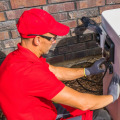
Routine HVAC maintenance is essential for preventing hidden drainage issues. Technicians typically inspect and clean condensate lines, ensuring that water flows freely without obstruction. They also check drain pans and connections for signs of wear or damage. By keeping these components in good condition, homeowners can prevent water from accumulating and affecting other systems. Regular servicing not only improves the efficiency of the HVAC unit but also reduces the risk of moisture-related complications that can impact plumbing and sewer performance over time.
Recognizing Early Warning Signs
Hidden drain and sewer issues often develop gradually, making early detection critical. Homeowners should pay attention to warning signs such as water pooling near HVAC units, increased indoor humidity, or musty odors that suggest moisture buildup. Additionally, changes in how drains behave—such as slower flow or unusual noises—may indicate that excess moisture is affecting the system. Addressing these signs promptly can prevent further damage and help maintain a balanced and functional home environment. Being aware of how HVAC systems influence these issues allows for quicker and more effective responses.
Building a Preventive Home Maintenance Strategy
Incorporating HVAC care into a broader home maintenance plan is key to avoiding hidden drain and sewer issues. By coordinating regular HVAC servicing with plumbing inspections, homeowners can ensure that both systems are working efficiently and supporting one another. This integrated approach reduces the likelihood of unexpected problems and extends the lifespan of essential home components. Ultimately, understanding the relationship between HVAC systems and drainage helps create a more resilient home, where proper moisture control protects against both visible and hidden issues for years to come.