Understanding the Impact of Flood Damage on Your Home
Flood damage can severely impact your home, affecting its structural integrity, indoor air quality, and overall safety. In Beaverton, where heavy rains and floods are not uncommon, homeowners must be prepared to handle such challenges effectively. Key to this preparedness is understanding the role of HVAC systems and professional flood damage restoration services.
The Role of HVAC Systems in Flooded Homes
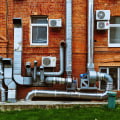
HVAC systems are crucial in maintaining a healthy indoor environment. After a flood, these systems can be compromised, leading to poor air quality and increased risk of mold growth. It's essential to inspect and, if necessary, repair your HVAC system post-flood to ensure it functions efficiently. This not only helps in removing moisture from the air but also prevents the spread of contaminants.
- Moisture Control: Properly functioning HVAC systems help in controlling indoor humidity levels, crucial in preventing mold and mildew.
- Air Filtration: They filter out pollutants and allergens, ensuring the air circulating in your home is clean and safe.
The Importance of Professional Flood Damage Restoration by Robinson Restoration
Addressing flood damage promptly is vital to protect your property and health. Professional flood damage restoration services, like those offered by Robinson Restoration, provide comprehensive solutions to restore your home efficiently.
Benefits of Professional Restoration Services
- Thorough Assessment: Experts conduct a detailed inspection to evaluate the extent of damage and develop a tailored restoration plan.
- Efficient Water Removal: Advanced equipment is used to remove standing water quickly, reducing the risk of further damage.
- Mold Prevention: Swift action is taken to prevent mold growth, which can occur within 24 to 48 hours after flooding.
- Structural Repairs: Professionals repair and restore affected areas, ensuring your home's safety and stability.
Q: How soon should I begin flood damage restoration?
A: It's crucial to start restoration within 24 to 48 hours to prevent mold growth and further structural damage. Prompt action ensures the best outcomes for your home.
Restoring Indoor Air Quality Post-Flood
Indoor air quality often suffers after a flood due to the presence of mold spores and other pollutants. Ensuring your HVAC system is operational and engaging in thorough cleaning processes are vital steps in improving air quality.
Steps to Improve Air Quality
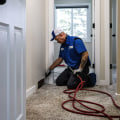
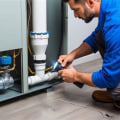
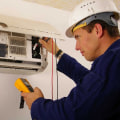
- Inspect and Clean HVAC Systems: Have professionals inspect your HVAC units for damage. Clean or replace air filters and consider duct cleaning to ensure optimal air quality.
- Use Dehumidifiers: Dehumidifiers can significantly reduce moisture levels, preventing mold and mildew.
- Ventilate: Increase ventilation by opening windows and doors when weather permits to allow fresh air to circulate.
Why Choose Robinson Restoration?
Robinson Restoration, serving the Portland and Vancouver areas, is dedicated to offering top-notch flood damage restoration services in Beaverton. Their team of experts provides comprehensive solutions that not only restore your home but also enhance its safety and comfort.
To ensure your home is safe and your indoor air quality is optimal after a flood, contact Robinson Restoration today. Their professional team is ready to help you navigate the challenges of flood damage with confidence and expertise.