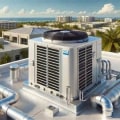
When people think about a comfortable indoor environment, they often focus on obvious factors such as thermostat settings, air conditioner capacity, or the age of the heating system. While these elements certainly influence comfort, many of the most significant improvements actually begin during the HVAC design phase, long before the equipment is installed. Small engineering decisions that remain largely unnoticed by homeowners can dramatically affect how a building feels every day. Airflow calculations, duct placement, equipment sizing, insulation, and return air locations all work together to create consistent temperatures and balanced humidity throughout a space. When these details are carefully planned, occupants enjoy greater comfort without constantly adjusting the thermostat or dealing with hot and cold spots. Conversely, even expensive HVAC equipment may struggle to perform efficiently if the underlying system design fails to account for the building's unique layout and usage patterns.
Airflow Distribution Makes the Difference
One of the most overlooked design considerations involves how conditioned air is distributed throughout a building. HVAC professionals carefully calculate the amount of air required for each room based on square footage, window placement, ceiling height, insulation quality, and sun exposure. Rooms with large windows facing the afternoon sun may require different airflow than shaded interior spaces. Proper duct sizing ensures that every room receives the intended volume of conditioned air without excessive noise or pressure loss. Even the positioning of supply and return vents influences how effectively air circulates. Strategic placement helps eliminate stagnant areas where temperatures fluctuate or humidity accumulates. Balanced airflow also reduces strain on the HVAC equipment because the system can maintain desired temperatures more efficiently instead of overworking to compensate for uneven distribution. These subtle design choices contribute to consistent comfort that occupants may appreciate without ever realizing the technical planning behind it.
Equipment Selection Goes Beyond Capacity
Choosing HVAC equipment involves much more than matching the size of a unit to the square footage of a home or commercial building. Designers evaluate occupancy patterns, local climate conditions, insulation performance, and future energy demands before recommending a system. Oversized equipment often cycles on and off too quickly, failing to remove enough humidity while wasting energy. Undersized systems, meanwhile, run continuously and struggle to maintain comfortable temperatures during periods of extreme weather. Additional design decisions, including variable-speed blowers, zoning systems, programmable controls, and properly designed filtration, further improve everyday comfort. In facilities where indoor cleanliness plays an important role, specialized equipment such as a dust collector may also be incorporated into the overall environmental management strategy to reduce airborne particles generated during manufacturing or workshop activities. These integrated solutions demonstrate how thoughtful HVAC planning extends beyond basic heating and cooling functions.
Comfort Is Built Into the Details
Many of the design decisions that enhance comfort remain invisible once construction is complete, yet they continue delivering benefits every day. Proper insulation around ductwork prevents unnecessary heat gain or loss before conditioned air reaches occupied rooms. Carefully sealed duct connections reduce energy waste while preventing contaminants from entering the air distribution system. Noise reduction techniques, including flexible duct connectors and vibration isolation, help create quieter indoor environments that support productivity and relaxation. Humidity management also plays a major role, as balanced moisture levels improve comfort while protecting furniture, flooring, and building materials from excessive dryness or dampness. Even future maintenance considerations, such as accessible equipment placement and service clearances, contribute to long-term system reliability and performance. By focusing on these often-overlooked design elements rather than simply selecting powerful equipment, HVAC professionals create systems that deliver consistent temperatures, cleaner air, greater energy efficiency, and dependable comfort throughout every season.