When a house sits empty during a move, the HVAC system quietly shifts into a different operating reality. Without regular occupancy, systems that are designed to maintain consistent airflow, temperature balance, and filtration often experience subtle but important changes. Many homeowners assume turning the system down or off is harmless, but extended vacancy can affect performance, air quality, and long-term efficiency in ways that only become obvious after move-in.
Reduced Airflow and Dust Accumulation
One of the first things that happens when a home is unoccupied is reduced HVAC cycling. With fewer temperature adjustments and less airflow, dust and airborne particles settle inside ducts and vents rather than being captured by filters. Over time, this buildup can become significant. When the system is finally turned back on, those accumulated particles may be redistributed throughout the house, settling on furniture and floors just as unpacking begins.
Moisture Imbalances and Humidity Risks
Empty homes are especially vulnerable to humidity fluctuations. Without regular monitoring, humidity can rise or fall beyond ideal levels. In humid environments, excess moisture can accumulate in ductwork, coils, or insulation, increasing the risk of mold growth. In drier climates, lack of humidity control can dry out seals and components. HVAC systems are designed to regulate indoor conditions, but when left idle or minimally active, they lose that stabilizing role.
Strain From Restarting After Downtime
After sitting idle, HVAC systems often experience extra strain when restarted. Motors, fans, and compressors may work harder initially to restore desired temperatures. If filters are clogged with dust from vacancy, airflow resistance increases, forcing components to operate under stress. This can lead to unusual noises, uneven heating or cooling, or reduced efficiency during the critical first days back in the home.
Temperature Setbacks and Structural Effects
Many homeowners lower heating or cooling settings to save energy while a house is empty. While this is understandable, extreme temperature setbacks can affect both the HVAC system and the home itself. Cold indoor temperatures may stress pipes, while excessive heat can impact insulation and seals. HVAC systems forced to compensate for large temperature swings upon restart may take longer to stabilize and consume more energy than expected.
Impact on Air Quality After Move-In
Air quality is often the biggest surprise after vacancy. Stale air, lingering odors, and increased dust are common complaints. Without daily circulation, contaminants from construction nearby, pollen infiltration, or even pest activity can accumulate inside ducts. Once occupants return and the system resumes normal operation, these pollutants may be released into living spaces—right when people are settling in.
Coordination With Moving Activities
HVAC performance becomes especially noticeable during move-in, when doors open frequently and physical activity increases indoor dust. A system already compromised by vacancy may struggle to keep up. This can affect comfort for both residents and movers, including teams providing careful furniture moving services in Austin area, where stable indoor conditions help protect furniture and finishes during handling.
Preventive Steps Before Reoccupying
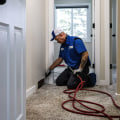
To minimize issues, HVAC systems should be checked before move-in. Replacing filters, running the system briefly ahead of occupancy, and inspecting for unusual odors or sounds can help catch problems early. In some cases, professional inspections or duct cleaning may be advisable to restore proper airflow and air quality before furniture arrives.
Long-Term Effects If Issues Are Ignored
Ignoring HVAC changes caused by vacancy can lead to ongoing problems. Reduced efficiency, higher energy bills, and accelerated wear on components may follow. Minor issues that could have been resolved before move-in may become persistent annoyances or expensive repairs later.
Preparing the System for a Smooth Return
When a house sits empty during a move, the HVAC system doesn’t simply pause—it adapts, often imperfectly. Understanding what happens during vacancy allows homeowners to take simple preventive steps that protect comfort, air quality, and system longevity. A little attention before move-in ensures the HVAC system supports the transition rather than complicating it.