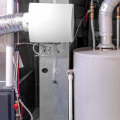
HVAC systems are among the largest energy consumers in residential and commercial buildings, which means their operating condition directly affects monthly utility bills. When heating and cooling systems are burdened by dust, clogged filters, dirty coils, and obstructed airflow, they must work significantly harder to achieve the same temperature results. This extra strain increases energy consumption, accelerates mechanical wear, and shortens system lifespan. At the same time, dirty indoor environments release constant airborne particles that re-enter the HVAC system and continuously undermine its efficiency. When HVAC service and professional cleaning are properly aligned, they form a powerful efficiency partnership that reduces wasted energy and stabilizes long-term operating costs.
How HVAC Service Directly Reduces Energy Usage
Routine HVAC maintenance restores systems to peak operating condition by addressing the mechanical factors that drive energy demand. Clean filters allow air to move freely, reducing resistance and lowering the power needed to circulate air throughout the building. Clean condenser and evaporator coils improve heat transfer efficiency, allowing the system to cool or heat space more rapidly with less energy input. Balanced airflow ensures that temperatures remain consistent across rooms, eliminating the need for constant cycling and thermostat adjustments. These improvements alone often result in noticeable reductions in monthly energy bills because the system reaches comfort levels faster and maintains them with less effort.
The Hidden Energy Drain of Dirty Environments
Even a well-serviced HVAC system loses efficiency when the surrounding environment remains dirty. Dust on floors, furniture, carpets, and vents becomes airborne with foot traffic and airflow, continuously reloading the HVAC system with new particulates. This forces filters to clog faster and reduces overall system efficiency between service intervals. Grease buildup in kitchens, lint in laundry rooms, and debris in utility spaces all contribute to accelerated contamination of air systems. Professional cleaning removes these pollutants at their source, breaking the cycle of continuous recontamination and allowing HVAC systems to maintain optimal performance for longer periods.
Lower Maintenance Costs Through Reduced System Strain
Energy efficiency and maintenance costs are directly linked. HVAC systems that work harder due to dirt, airflow restrictions, and heat buildup experience higher mechanical stress. Motors overheat, belts wear faster, blowers work under heavier loads, and electrical components experience greater resistance. This leads to more frequent breakdowns, emergency repairs, and premature equipment replacement. When HVAC service is combined with regular professional cleaning, systems operate under lower stress, significantly reducing wear and tear. Fewer breakdowns translate into lower repair bills, longer equipment life, and far more predictable maintenance budgets over time.
The Role of Professional Cleaning in Cost Control
Professional cleaning reaches beyond surface-level tidiness and targets high-impact areas that influence HVAC efficiency and fire safety. Vents, baseboards, behind appliances, and utility zones accumulate significant debris that disrupts airflow and creates heat-trapping conditions. Services such as Freedom Cleaning remove these hidden contaminants with equipment and methods designed to restore clean airflow pathways and safe operating environments. This detailed cleaning supports HVAC performance by ensuring that air circulation systems are not constantly fighting against environmental resistance caused by dust and debris accumulation.
Improved Heat Transfer and Reduced Runtime
When both HVAC components and indoor environments are kept clean, heat transfer becomes more efficient. Clean coils exchange heat more effectively, while unobstructed vents distribute air evenly across rooms. Clean windows and lighting also reduce the strain on HVAC systems by stabilizing indoor temperatures and reducing thermal imbalance. As efficiency improves, HVAC systems run for shorter cycles and shut off sooner once target temperatures are reached. This reduction in total runtime directly lowers electricity and fuel consumption, delivering ongoing savings that compound month after month.
Long-Term Asset Protection and Financial Stability
From a long-term financial perspective, HVAC and cleaning services work together to protect the value of mechanical assets. Clean systems experience fewer catastrophic failures, maintain manufacturer efficiency ratings longer, and delay costly capital replacements. Property owners benefit from stable energy costs, fewer surprise repair expenses, and extended operating lifespans for expensive equipment. These advantages are particularly valuable for commercial buildings, rental properties, and large residential systems where unexpected failures can be extremely costly.
A Proactive Strategy for Sustainable Savings
Lowering energy bills and maintenance costs is not achieved through single repairs or occasional cleaning—it comes from a proactive strategy that treats HVAC service and professional cleaning as interconnected investments. Clean environments protect HVAC efficiency, while serviced HVAC systems maintain clean air distribution. Together, they create a self-reinforcing cycle of efficiency, reliability, and cost control. For homeowners and property managers alike, this combined approach delivers not only immediate monthly savings but also long-term financial stability and system performance confidence.