A home's foundation supports far more than walls and floors. It also helps maintain the alignment of many systems that depend on stable structural conditions, including heating, ventilation, and air conditioning equipment. When a foundation settles unevenly or shifts over time, the movement can place stress on ductwork, refrigerant lines, condensate drains, electrical connections, and equipment platforms. Although HVAC problems can develop for many reasons, structural movement may contribute to unusual noises, disconnected ducts, poor drainage, or misaligned components. Addressing foundation concerns can therefore play an important role in protecting the mechanical systems that keep a building comfortable.
Protecting Ductwork From Movement
Ductwork often runs through crawl spaces, basements, attics, walls, or floor systems. When the structure moves, ducts may shift along with framing members or become strained at connection points. Flexible ducts can sag or pull loose, while rigid metal ducts may separate at joints. These problems can lead to air leakage, reduced efficiency, uneven temperatures, and higher energy use. If foundation movement is suspected, professionals such as Bats Foundation Repair can evaluate structural conditions before HVAC repairs are finalized, helping determine whether building movement should be addressed first.
Reducing Stress on Refrigerant and Utility Lines
Air conditioning and heat pump systems rely on refrigerant lines that connect indoor and outdoor equipment. Structural movement can place tension on these lines, especially where they pass through walls, floors, or foundation openings. Plumbing lines associated with condensate drainage may also shift or lose proper slope. If these components become stressed or damaged, leaks or drainage problems can develop. Stabilizing the foundation may help reduce continued movement that could place additional pressure on HVAC connections.
Keeping Equipment Level
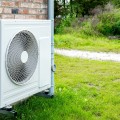
HVAC equipment generally performs best when installed on stable and level surfaces. Outdoor condenser units, furnaces, air handlers, and other components can be affected if the areas supporting them settle unevenly. A shifting slab or floor system may cause equipment to tilt, which can interfere with drainage, create vibration, or place additional strain on connected lines. After foundation repairs are completed, HVAC professionals may need to check equipment placement and make adjustments to restore proper alignment.
Supporting Condensate Drainage
Air conditioning systems produce condensation that must be directed away through properly sloped drain lines. Foundation movement can alter the slope of these pipes or cause joints to shift, potentially leading to water accumulation or leaks. Moisture from a poorly functioning condensate system can damage flooring, framing, or nearby building materials. Checking drainage after structural repairs can help confirm that water continues to flow in the intended direction.
Preventing Repeated Mechanical Repairs
Repairing HVAC components without investigating structural movement may result in recurring problems. A disconnected duct or stressed pipe can be fixed, but the damage may return if the building continues shifting. Coordinating foundation and HVAC professionals can help identify whether repeated mechanical issues are related to settlement rather than ordinary equipment wear. This approach can reduce unnecessary repairs and help property owners address the cause instead of repeatedly treating the symptoms.
Inspecting HVAC Systems After Foundation Work
Foundation repair may involve lifting or stabilizing portions of a building. Even when adjustments are performed carefully, HVAC systems should be inspected afterward. Technicians can check ducts, refrigerant lines, electrical connections, drains, and equipment alignment for signs of stress or movement.
Supporting Long-Term HVAC Performance
Foundation repair cannot prevent every HVAC problem, but stabilizing the structure can create better conditions for mechanical systems to function reliably. By addressing settlement, checking connected lines, maintaining proper equipment alignment, and coordinating post-repair inspections, homeowners can reduce structural stress on important HVAC components and help protect the comfort and efficiency of the building over time.