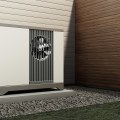
HVAC upgrades are often pursued for straightforward reasons such as improving indoor comfort, reducing energy consumption, or replacing aging equipment. While these objectives are important, many homeowners overlook the broader advantages that can result from coordinating HVAC improvements with a comprehensive property maintenance plan. Heating, ventilation, and air conditioning systems interact with numerous other components throughout a home, including insulation, ventilation pathways, roofing systems, electrical infrastructure, and indoor air quality measures. Because of these connections, HVAC upgrades can become far more effective when planned alongside other maintenance and improvement projects. This integrated approach often produces benefits that extend beyond temperature control and energy efficiency.
Identifying Hidden Property Concerns
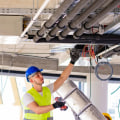
One of the most valuable benefits of coordinating HVAC upgrades with broader maintenance efforts is the opportunity to uncover hidden issues throughout the property. HVAC professionals frequently inspect attics, crawl spaces, utility rooms, duct systems, and ventilation pathways during upgrade projects. These evaluations may reveal moisture intrusion, inadequate insulation, air leaks, structural concerns, or ventilation deficiencies that could otherwise remain unnoticed. Addressing these issues during the HVAC project allows homeowners to resolve multiple concerns simultaneously rather than discovering them later through separate inspections. This proactive approach supports more comprehensive property care and helps prevent small issues from developing into larger repair expenses.
Improving Energy Efficiency Through Multiple Systems
Many homeowners assume that installing a newer HVAC unit automatically delivers maximum efficiency improvements. However, the performance of heating and cooling equipment depends heavily on the condition of other building systems. Poor insulation, air leakage, damaged ductwork, and inadequate ventilation can reduce the effectiveness of even the most advanced HVAC equipment. By coordinating HVAC upgrades with insulation improvements, weatherproofing efforts, and ventilation enhancements, homeowners create an environment where each system supports the others. This comprehensive strategy often leads to better energy performance, more consistent indoor temperatures, and lower operating costs than an isolated equipment replacement alone.
Streamlining Home Improvement Projects
Another hidden advantage of integrating HVAC upgrades into a broader maintenance plan is improved project coordination. Many home improvement projects involve overlapping access to walls, ceilings, attics, crawl spaces, and utility areas. Scheduling HVAC work alongside other maintenance or renovation tasks can reduce disruptions and improve overall efficiency. Contractors can coordinate inspections, material deliveries, and labor schedules more effectively when projects are planned together. This approach often minimizes inconvenience for homeowners while helping ensure that upgrades are completed in a logical and efficient sequence.
Supporting Long-Term Property Preservation
HVAC systems play a significant role in controlling humidity, airflow, and indoor environmental conditions. These factors directly influence the longevity of many building materials and structural components. Excess moisture, poor ventilation, and uneven temperature regulation can contribute to mold growth, material deterioration, and indoor air quality concerns. Coordinated maintenance planning allows homeowners to address these risks more effectively. Companies such as Terry Brodnik Group recognize that HVAC performance should be considered within the larger context of property preservation. When heating and cooling systems operate alongside well-maintained building components, the entire property benefits from improved durability and performance.
Enhancing Future Renovation Opportunities
A well-planned HVAC upgrade can also create opportunities for future home improvements. Renovations such as room additions, finished basements, home offices, and open-concept layouts often place new demands on heating and cooling systems. Evaluating HVAC capacity as part of a long-term maintenance strategy helps homeowners prepare for future projects and avoid costly modifications later. This forward-thinking approach supports both immediate comfort goals and future property enhancements.
A Smarter Approach to Property Maintenance
Ultimately, coordinating HVAC upgrades with broader property maintenance plans provides benefits that go far beyond improved heating and cooling performance. It helps uncover hidden issues, enhances energy efficiency, streamlines project management, supports long-term property preservation, and prepares homes for future improvements. By viewing HVAC upgrades as part of a comprehensive maintenance strategy rather than a standalone project, homeowners can maximize the value of their investment while creating a healthier, more efficient, and better-maintained living environment for years to come.