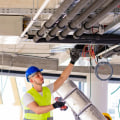
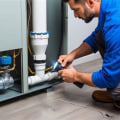
HVAC retrofits are often undertaken to improve energy efficiency, increase indoor comfort, and replace aging heating and cooling equipment with more advanced systems. While these projects are frequently viewed as mechanical upgrades, they can also involve significant structural considerations that should not be overlooked. Modern HVAC systems may differ substantially in size, weight, and configuration from the equipment they replace, requiring modifications to roofs, floors, walls, or mechanical rooms. New ductwork, ventilation shafts, rooftop units, and equipment platforms may also alter how loads are distributed throughout the building. Without careful planning, these changes can create unnecessary stress on structural components or require field modifications that affect the long-term performance of the property. This is why structural engineers are often valuable members of the project team during complex HVAC retrofits, helping ensure that building improvements are completed safely and efficiently.
Evaluating Structural Capacity Before Installation
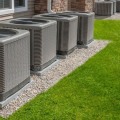
One of the first responsibilities of structural engineers during an HVAC retrofit is determining whether the existing building can safely support the proposed equipment and associated structural modifications. Rooftop mechanical units, for example, can introduce concentrated loads that differ significantly from the original design assumptions of the building. Larger air handlers, heat pumps, and ventilation systems installed inside the structure may also require reinforced floor framing or equipment supports. Engineers carefully assess beams, joists, trusses, roof framing, and load-bearing walls to verify that they remain capable of carrying the additional weight while maintaining adequate safety margins. If reinforcement is necessary, it can be designed before construction begins, reducing delays and preventing costly changes during installation. This proactive evaluation allows contractors to complete the retrofit with greater confidence while minimizing disruption to the building's occupants.
Coordinating Structural and Mechanical Systems
Successful HVAC retrofits require close coordination among mechanical contractors, electricians, architects, plumbers, and structural engineers. Installing new ductwork often involves creating openings through walls, floors, or roof assemblies, while routing larger mechanical systems may require adjustments to existing framing layouts. Structural engineers evaluate these modifications to ensure that penetrations do not weaken critical load-bearing elements or interfere with established load paths. They also review equipment placement to reduce vibration, improve weight distribution, and support long-term system performance. Collaboration with a structural engineering firm in Clayton MO can be particularly valuable for older buildings, facilities undergoing major renovations, or projects involving substantial rooftop equipment. Early coordination helps resolve potential conflicts before construction begins, improving project efficiency while protecting the structural integrity of the building.
Long-Term Benefits of Structural Involvement
Including structural engineering in HVAC retrofit planning offers advantages that continue well beyond project completion. Proper structural assessment helps reduce the risk of excessive floor deflection, roof sagging, equipment instability, and recurring maintenance issues that may develop if additional loads are introduced without adequate support. It also contributes to better equipment performance by providing stable mounting conditions that minimize unnecessary vibration and mechanical stress. Homeowners and commercial property owners alike benefit from improved reliability, lower long-term repair costs, and increased confidence that both the HVAC system and the building itself are prepared to perform efficiently for years to come. As buildings continue to evolve with higher-efficiency technologies and increasingly sophisticated mechanical systems, the relationship between structural engineering and HVAC design becomes even more important. Recognizing how structural engineers help prevent problems during HVAC retrofits encourages a proactive approach to renovation, ensuring that energy-efficient upgrades are fully supported by the building's structural framework while preserving safety, durability, and long-term property value.